
Understanding Local Building Regulations in Tamil Nadu


Introduction to Building Regulations
Understanding local building regulations is crucial for anyone involved in construction or real estate development in Tamil Nadu. These regulations ensure safety, sustainability, and harmony in urban planning. Familiarizing yourself with these rules can save time, reduce costs, and prevent legal issues.

Key Regulatory Bodies
In Tamil Nadu, the primary regulatory bodies overseeing building regulations include the Directorate of Town and Country Planning (DTCP) and the Chennai Metropolitan Development Authority (CMDA). These organizations provide guidelines and approvals necessary for any construction project.
It's essential to consult these bodies early in the planning process to ensure compliance with all local laws and regulations.
Understanding Zoning Laws
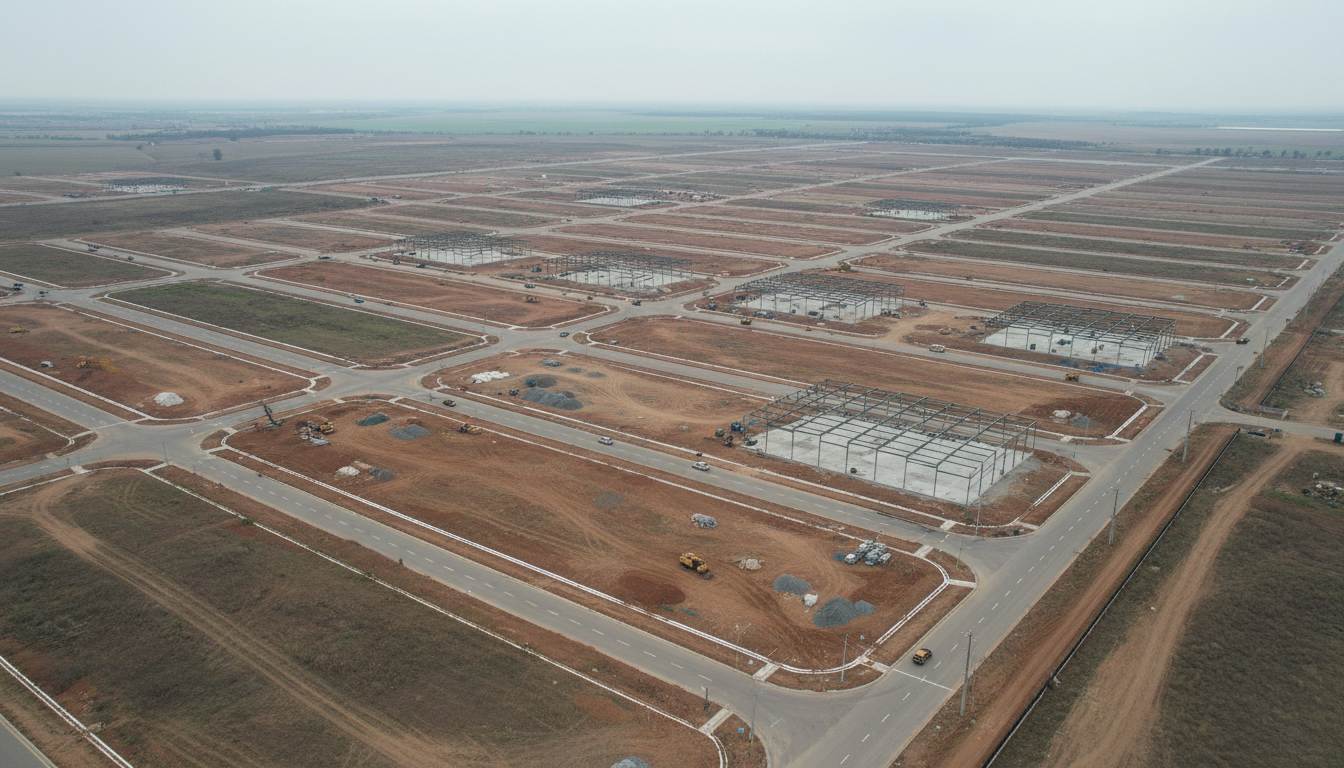
Zoning laws are a critical aspect of building regulations. They determine how land in specific areas can be used. In Tamil Nadu, zoning can include residential, commercial, industrial, and agricultural classifications. Each zone has specific rules regarding what can be built and how properties can be used.
Building Plan Approval Process
The approval process for building plans involves several steps. Initially, you must submit detailed plans to the local authority, ensuring they meet all structural and safety standards. The process can be complex, often involving multiple departments and requiring various approvals.
Working with a professional architect or consultant who understands local regulations can help streamline this process.
Environmental Considerations
Building regulations in Tamil Nadu also emphasize environmental sustainability. Projects must comply with guidelines related to waste management, water conservation, and energy efficiency. This is particularly important in urban areas to minimize the environmental impact of construction activities.

Legal Implications of Non-Compliance
Non-compliance with building regulations can lead to severe legal consequences, including fines, demolition orders, or project delays. It is crucial to ensure that all aspects of a construction project adhere to the prescribed norms to avoid these issues.
Proper documentation and timely submission of necessary paperwork can prevent potential legal challenges.
Conclusion
Understanding and adhering to local building regulations in Tamil Nadu is essential for successful construction and development projects. By following these guidelines, developers can ensure safety, legal compliance, and contribute positively to the community's growth and sustainability.
Staying informed and consulting with experts can help navigate the complex landscape of building regulations effectively.