
Top Eco-Friendly Construction Practices in Tamil Nadu


Embracing Green Building Techniques
In recent years, Tamil Nadu has seen a surge in eco-friendly construction practices as builders and developers strive to reduce their environmental footprint. With the growing awareness of climate change and the need for sustainable development, the construction industry is adopting innovative techniques to create greener and more energy-efficient buildings.
Use of Sustainable Materials
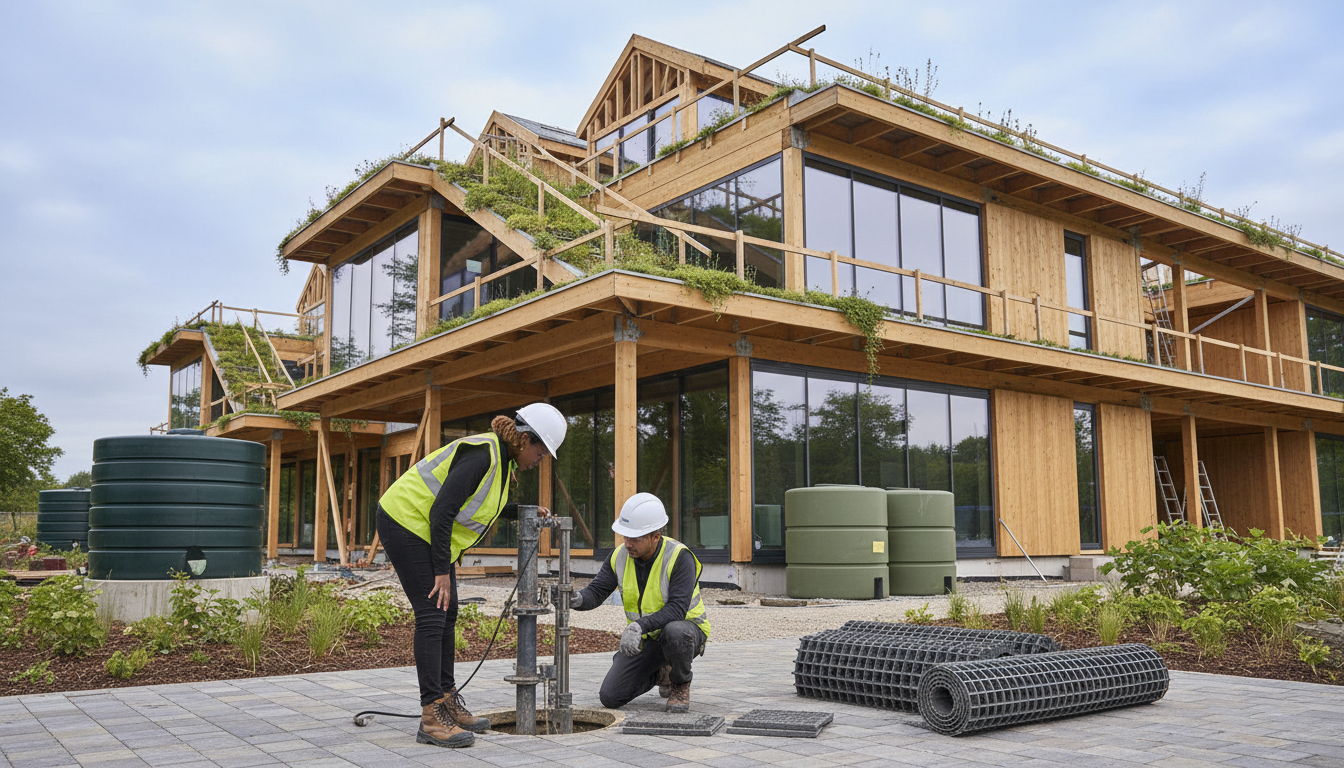
One of the key components of eco-friendly construction is the use of sustainable materials. In Tamil Nadu, builders are turning to locally sourced materials such as bamboo, recycled steel, and fly ash bricks to minimize the carbon footprint associated with transportation and manufacturing. These materials are not only environmentally friendly but also cost-effective and durable.
Additionally, natural materials like mud and lime are gaining popularity for their insulation properties and ability to regulate indoor temperatures, reducing the need for artificial heating and cooling.
Rainwater Harvesting Systems
Water scarcity is a significant issue in many parts of Tamil Nadu. To combat this, many new constructions are integrating rainwater harvesting systems. These systems collect and store rainwater for use in various applications such as irrigation, flushing toilets, and even as drinking water after proper filtration.
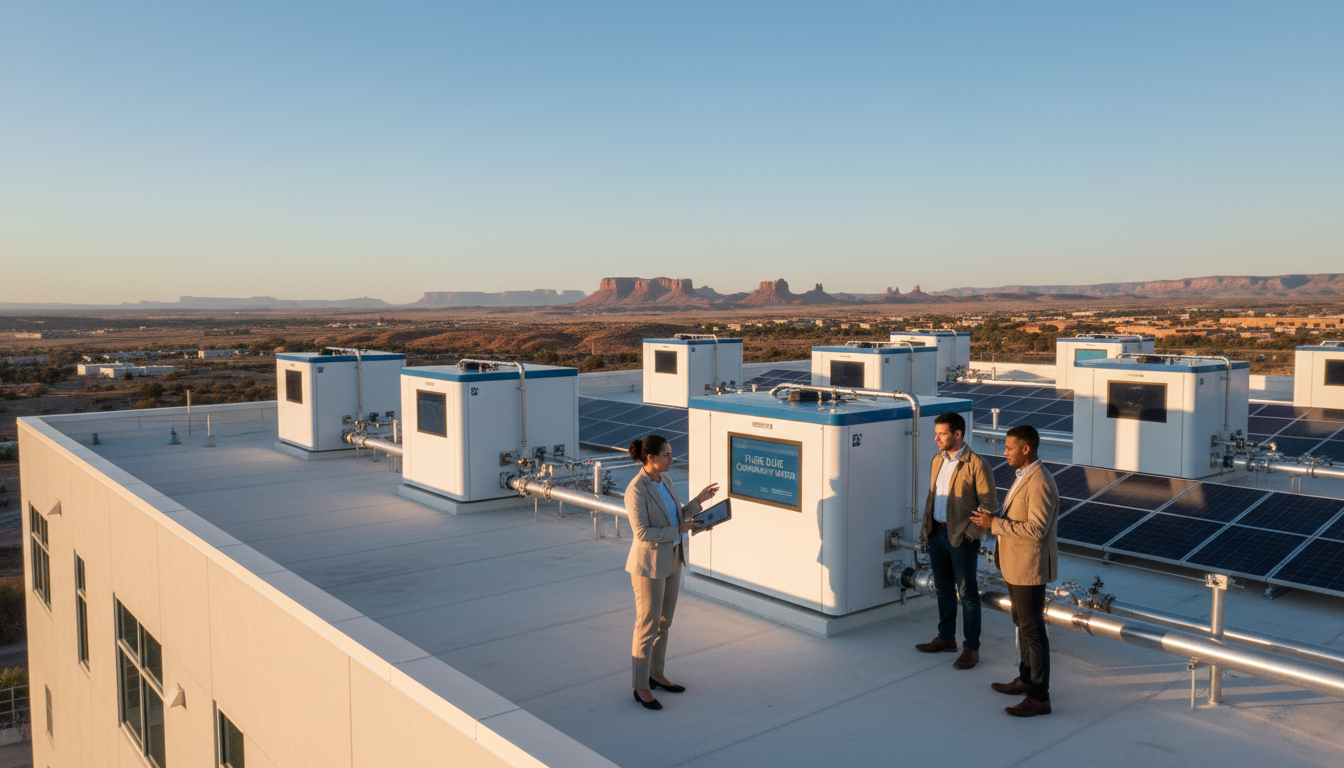
Implementing rainwater harvesting not only conserves water but also helps in replenishing groundwater levels, making it a crucial practice in sustainable construction.
Energy-Efficient Designs
Energy efficiency is a cornerstone of eco-friendly construction. In Tamil Nadu, architects and builders are focusing on designs that maximize natural light and ventilation, reducing the need for artificial lighting and air conditioning. This includes strategic placement of windows, skylights, and the use of reflective roofing materials.
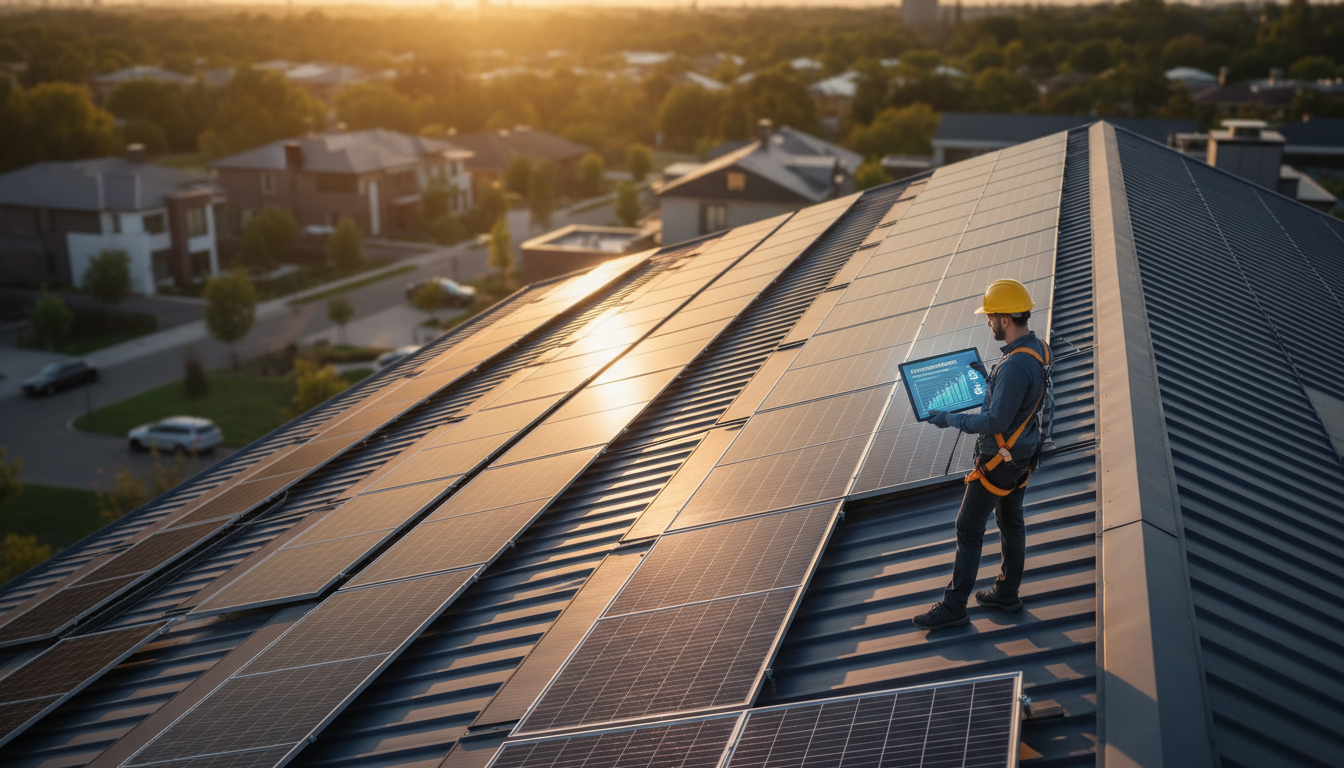
Moreover, the integration of solar panels is becoming increasingly common, allowing buildings to generate their own electricity and reduce reliance on conventional power sources.
Waste Management and Recycling
Construction waste contributes significantly to landfills, but eco-friendly practices in Tamil Nadu are changing that narrative. Builders are now implementing waste management strategies that focus on reducing, reusing, and recycling materials. This not only minimizes waste but also lowers construction costs.
For instance, concrete and masonry waste can be crushed and reused in new construction projects, promoting a circular economy within the industry.
Green Certifications and Standards
Adhering to green building standards and certifications is becoming more prevalent in Tamil Nadu's construction industry. Certifications like LEED (Leadership in Energy and Environmental Design) and IGBC (Indian Green Building Council) encourage builders to adopt practices that are environmentally responsible and resource-efficient.
These certifications not only enhance the reputation of the construction projects but also ensure that the buildings are healthier and more sustainable for occupants.
In conclusion, Tamil Nadu is making significant strides in eco-friendly construction practices. By embracing sustainable materials, energy-efficient designs, and innovative water and waste management systems, the region is setting a benchmark for green building initiatives. As more builders and developers adopt these practices, Tamil Nadu is poised to become a leader in sustainable construction, paving the way for a greener future.