
Top 10 Sustainable Construction Practices for Homes in Tamil Nadu


Introduction to Sustainable Construction
As the demand for environmentally friendly housing increases, sustainable construction practices have become essential, especially in regions like Tamil Nadu. Embracing these methods not only reduces environmental impact but also enhances energy efficiency and promotes healthier living spaces.
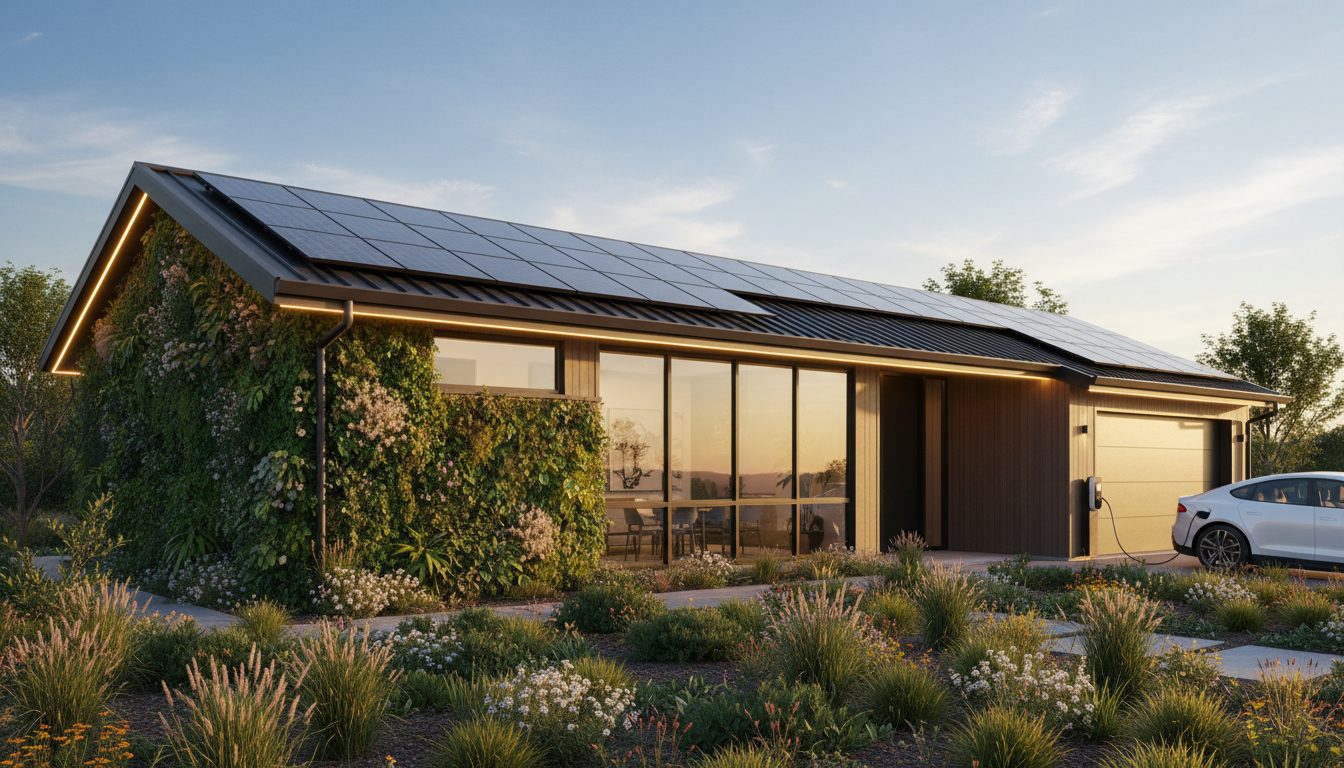
Use of Local and Recycled Materials
Incorporating locally sourced materials significantly reduces transportation emissions and supports the local economy. Using recycled materials, such as reclaimed wood and recycled metal, further minimizes waste and lowers the carbon footprint of construction projects.
Benefits of Local Materials
Local materials are tailored to the specific climate of Tamil Nadu, offering better thermal performance and durability. This adaptability results in lower maintenance costs and enhanced longevity of the structure.
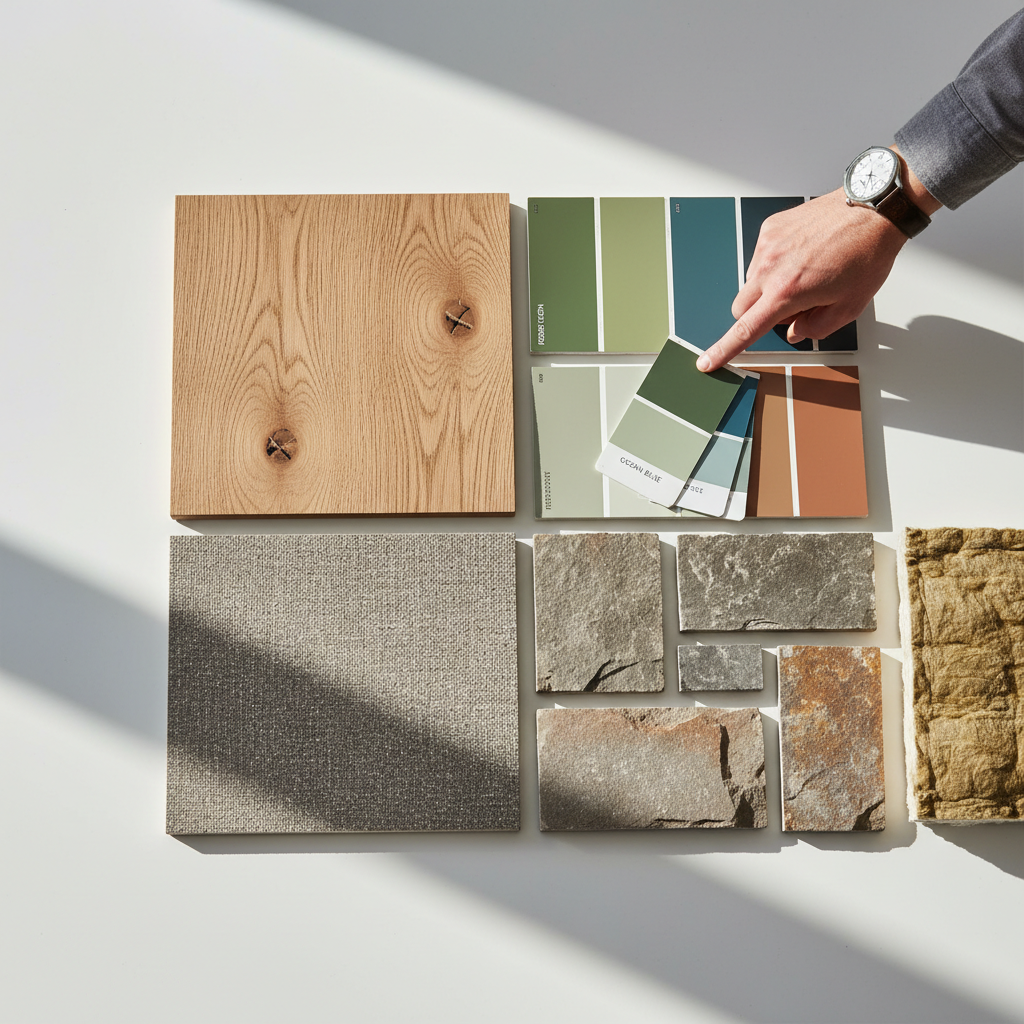
Energy-Efficient Designs
Implementing energy-efficient designs is crucial in sustainable construction. This includes optimizing natural light, utilizing passive solar heating, and installing energy-efficient windows and insulation to maintain comfortable indoor temperatures.
Passive Design Techniques
Passive design techniques, such as strategic window placement and thermal mass, can significantly reduce energy consumption. These practices harness the natural environment to regulate indoor temperatures, reducing reliance on artificial heating and cooling systems.
Water Conservation Strategies
Water scarcity is a pressing issue in many parts of Tamil Nadu. Sustainable construction practices include rainwater harvesting systems and low-flow plumbing fixtures to conserve water. These systems can greatly reduce water usage and support sustainable living.
Rainwater Harvesting
Rainwater harvesting involves collecting and storing rainwater for later use. This practice not only conserves water but also reduces the demand on municipal water supplies, promoting a more sustainable lifestyle.
Incorporating Green Roofs and Walls
Green roofs and walls provide multiple benefits, including improved air quality, reduced urban heat, and enhanced biodiversity. They also offer additional insulation, contributing to energy savings and increased property value.
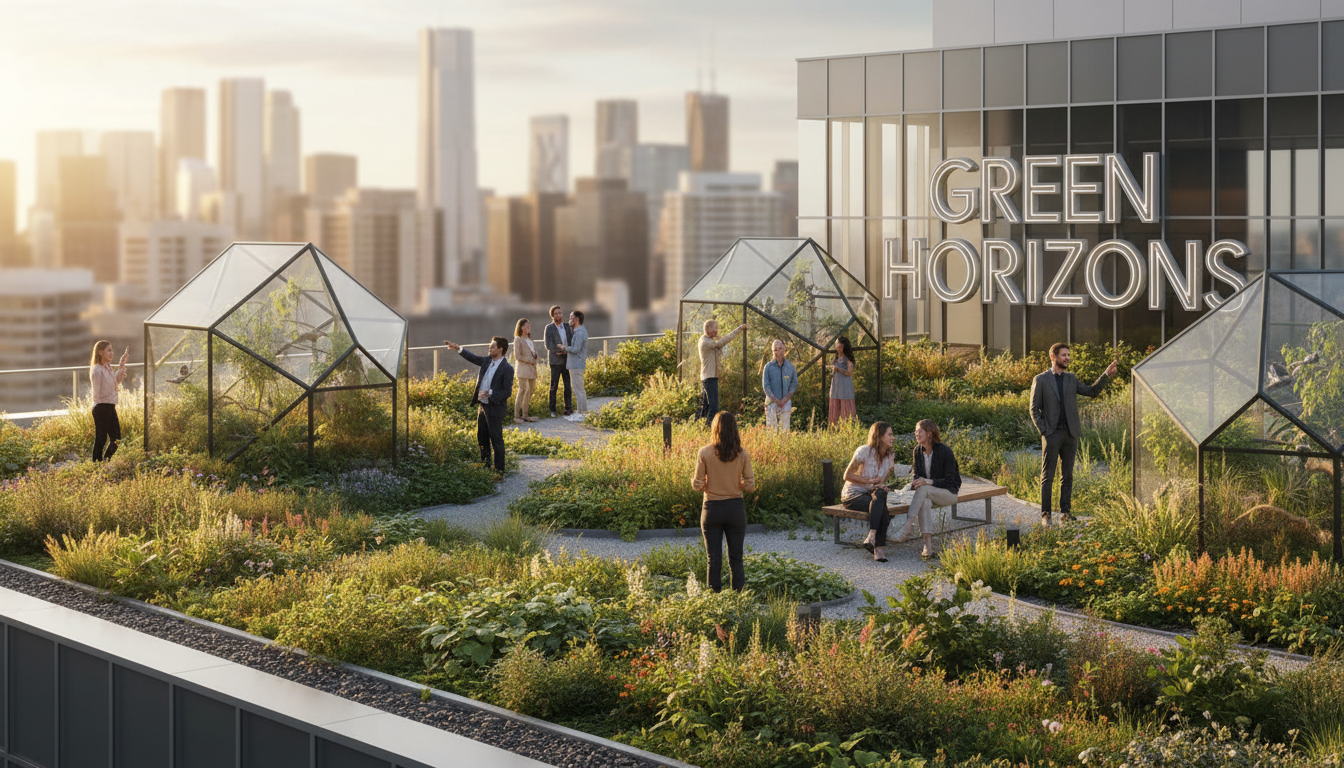
Environmental and Economic Benefits
Beyond their ecological advantages, green roofs and walls can extend the lifespan of roofing materials by protecting them from UV rays and temperature fluctuations, leading to long-term economic savings.
Conclusion
By adopting these top sustainable construction practices, homeowners in Tamil Nadu can significantly reduce their environmental impact while creating healthier and more resilient living spaces. These methods not only benefit the planet but also enhance the quality of life for residents, making sustainability a wise investment for the future.