
Expert Tips for Sustainable Home Construction in Tamil Nadu


Understanding Sustainable Home Construction
Sustainable home construction is an essential consideration for those looking to build a home in Tamil Nadu. It focuses on creating environmentally friendly, energy-efficient, and resource-efficient homes. By adopting sustainable practices, homeowners can reduce their carbon footprint and promote a healthier living environment.
In Tamil Nadu, sustainable construction is not just a trend but a necessity due to the region's unique climate and environmental challenges. Implementing green building techniques can lead to long-term benefits, both economically and environmentally.
Choosing Eco-Friendly Materials
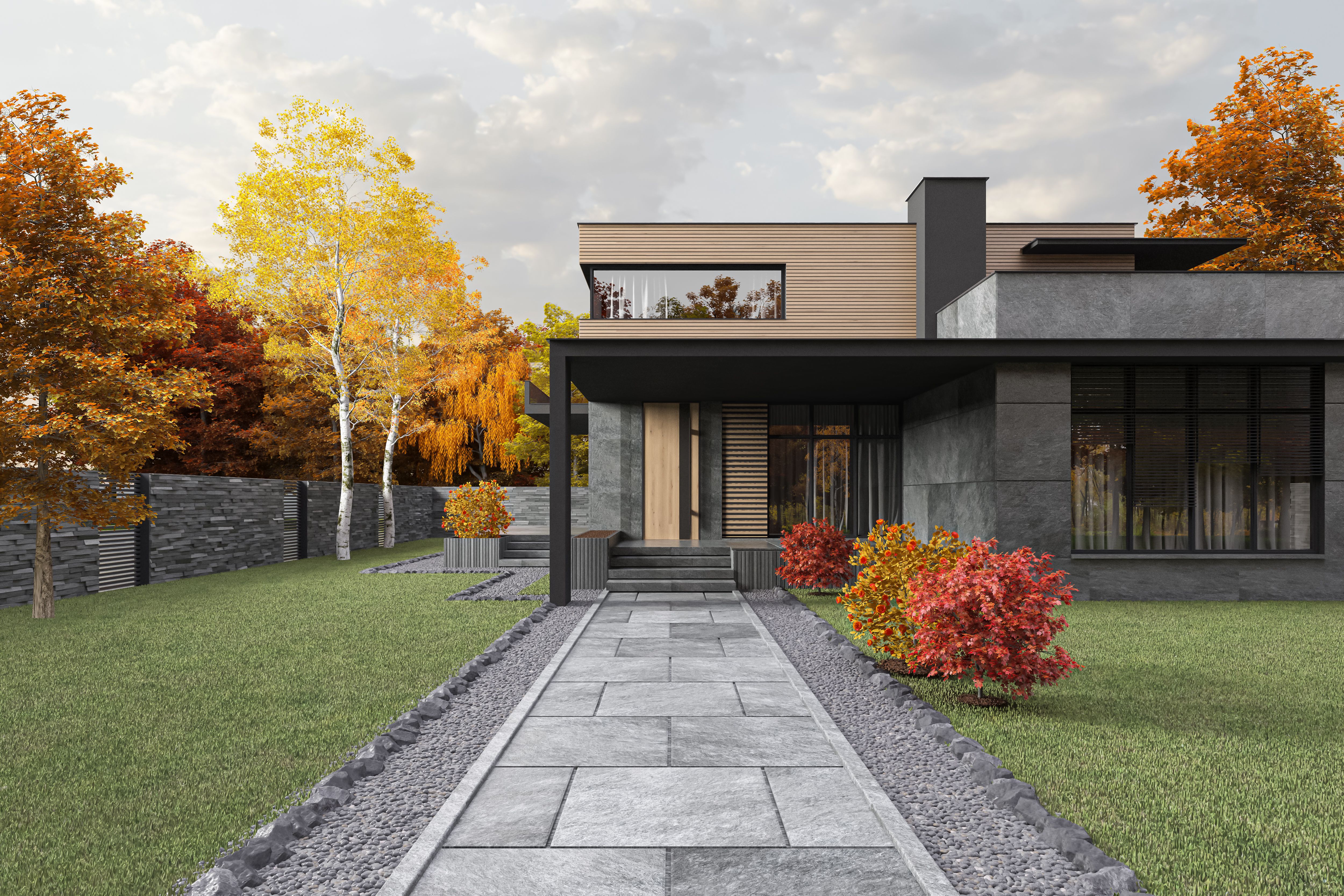
One of the most critical aspects of sustainable home construction is the selection of eco-friendly building materials. Using locally sourced, renewable, and recycled materials can significantly reduce the environmental impact of construction projects.
Opt for materials like bamboo, reclaimed wood, and recycled steel, which not only minimize waste but also contribute to the local economy. Additionally, consider using low-VOC paints and finishes to improve indoor air quality.
Benefits of Using Local Materials
Using local materials reduces transportation emissions and supports the regional economy. It also ensures that the materials are well-suited to the local climate, enhancing the home's durability and efficiency.
Incorporating Energy-Efficient Designs
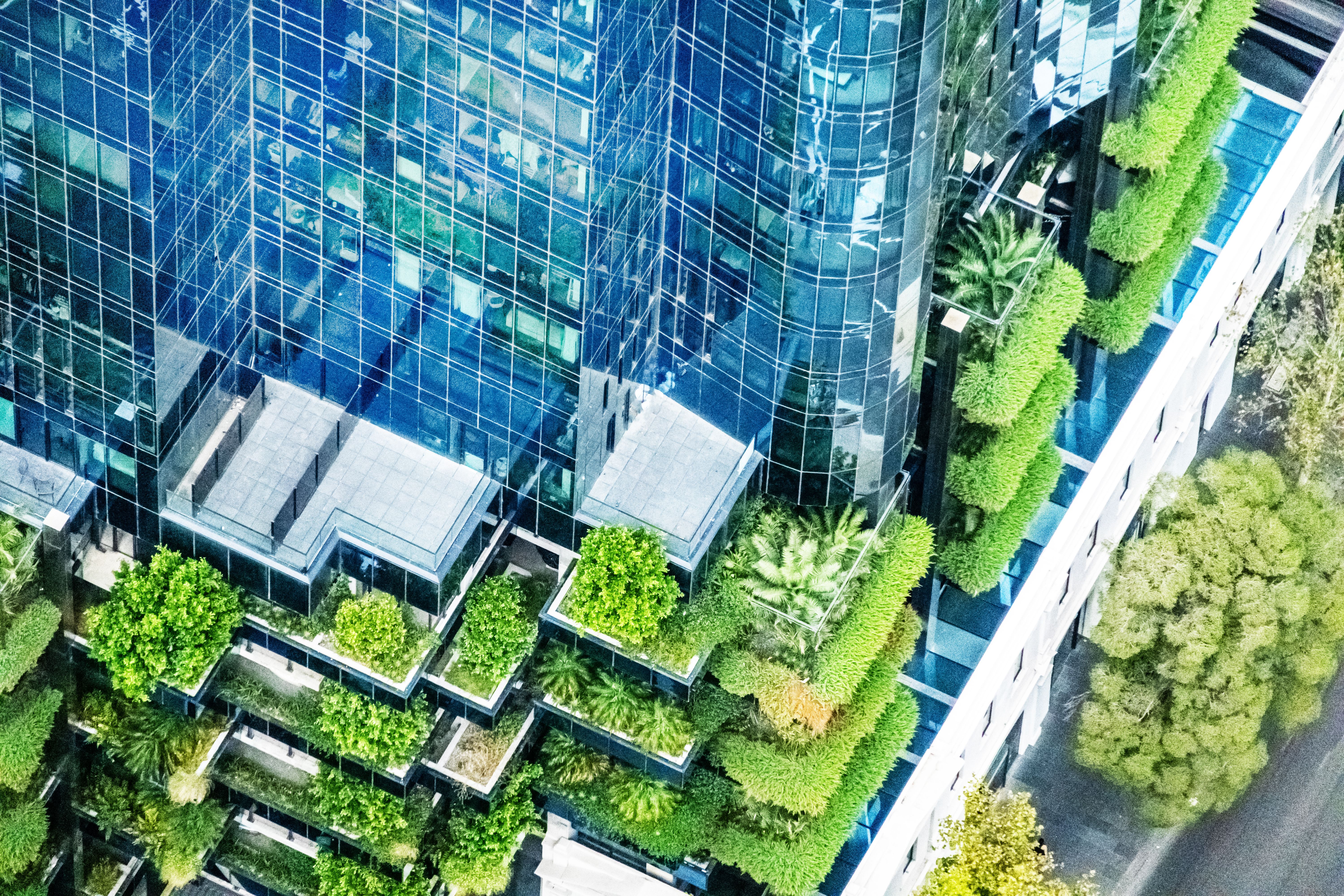
Energy-efficient design is crucial in sustainable home construction. This includes the strategic orientation of the building to maximize natural light and ventilation. Installing energy-efficient windows, insulation, and appliances can significantly reduce energy consumption.
Solar Panels and Renewable Energy
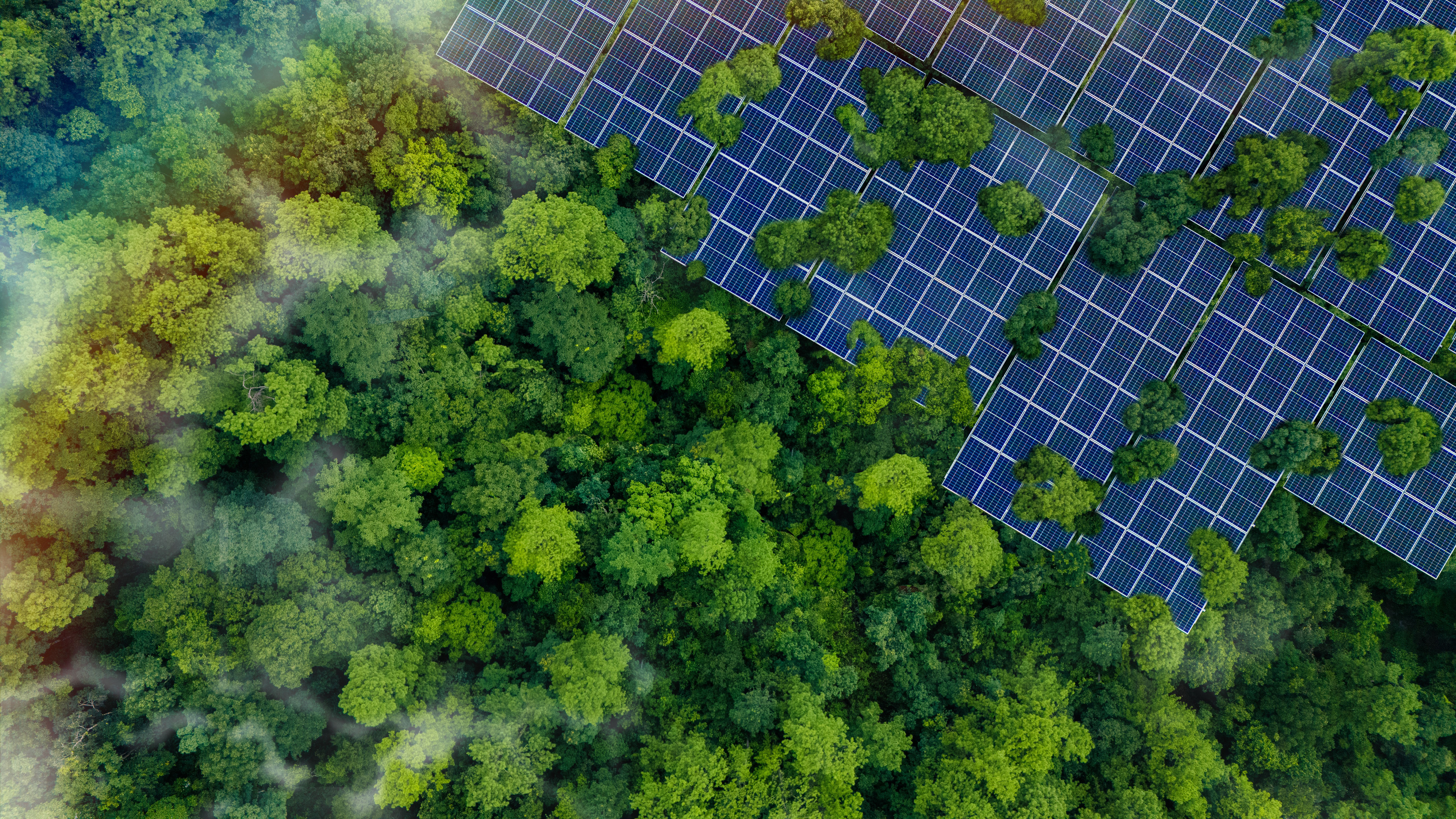
Incorporating solar panels is an excellent way to harness renewable energy in Tamil Nadu. With abundant sunlight, solar energy can power homes efficiently, reducing reliance on non-renewable energy sources.
Water Conservation Techniques
Water conservation is another vital component of sustainable construction. Implementing rainwater harvesting systems and using low-flow fixtures can drastically reduce water usage. These methods are especially important in regions like Tamil Nadu, where water scarcity can be a concern.
Creating a rain garden can also help manage stormwater runoff, enhancing the landscape while contributing to water conservation efforts.
Implementing Green Landscaping
Green landscaping involves using native plants that require minimal water and maintenance. It not only beautifies the home but also supports local biodiversity. Consider planting drought-resistant species to further conserve water.
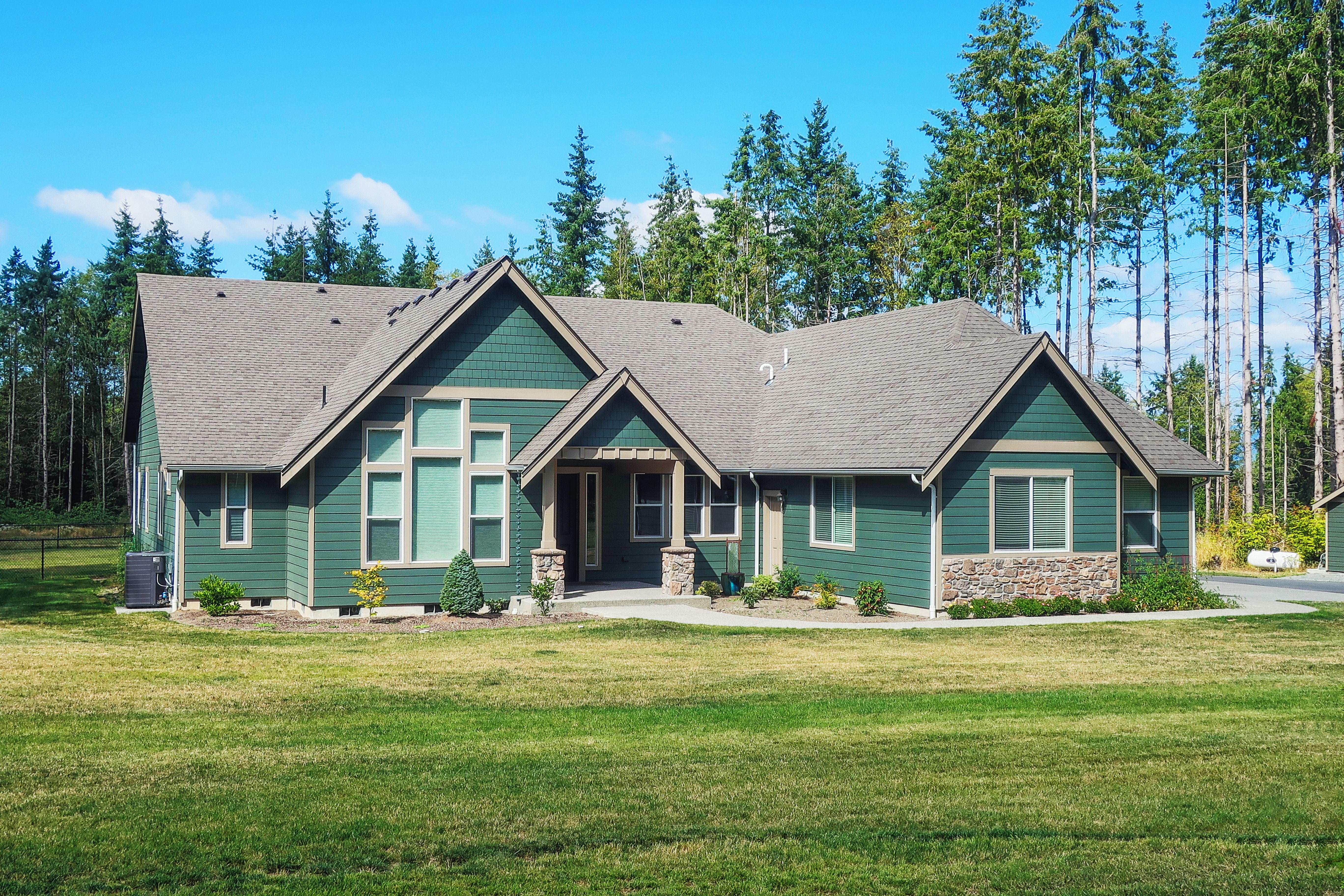
By following these expert tips, homeowners in Tamil Nadu can build sustainable homes that are not only environmentally friendly but also economically beneficial. Embracing sustainable construction practices is an investment in the future, ensuring a healthier planet for generations to come.