
Expert Insights: Designing Eco-friendly Homes in Chennai


Understanding Eco-friendly Home Design
Designing eco-friendly homes in Chennai is becoming increasingly popular as more homeowners recognize the benefits of sustainable living. These homes are not only environmentally friendly but also cost-effective in the long run. The key to creating such homes lies in understanding the principles of sustainable architecture and integrating them into the design process.
Incorporating eco-friendly materials, optimizing energy efficiency, and ensuring minimal environmental impact are essential components of this approach. By focusing on these elements, architects and builders can create homes that are both beautiful and sustainable.
Choosing Sustainable Materials
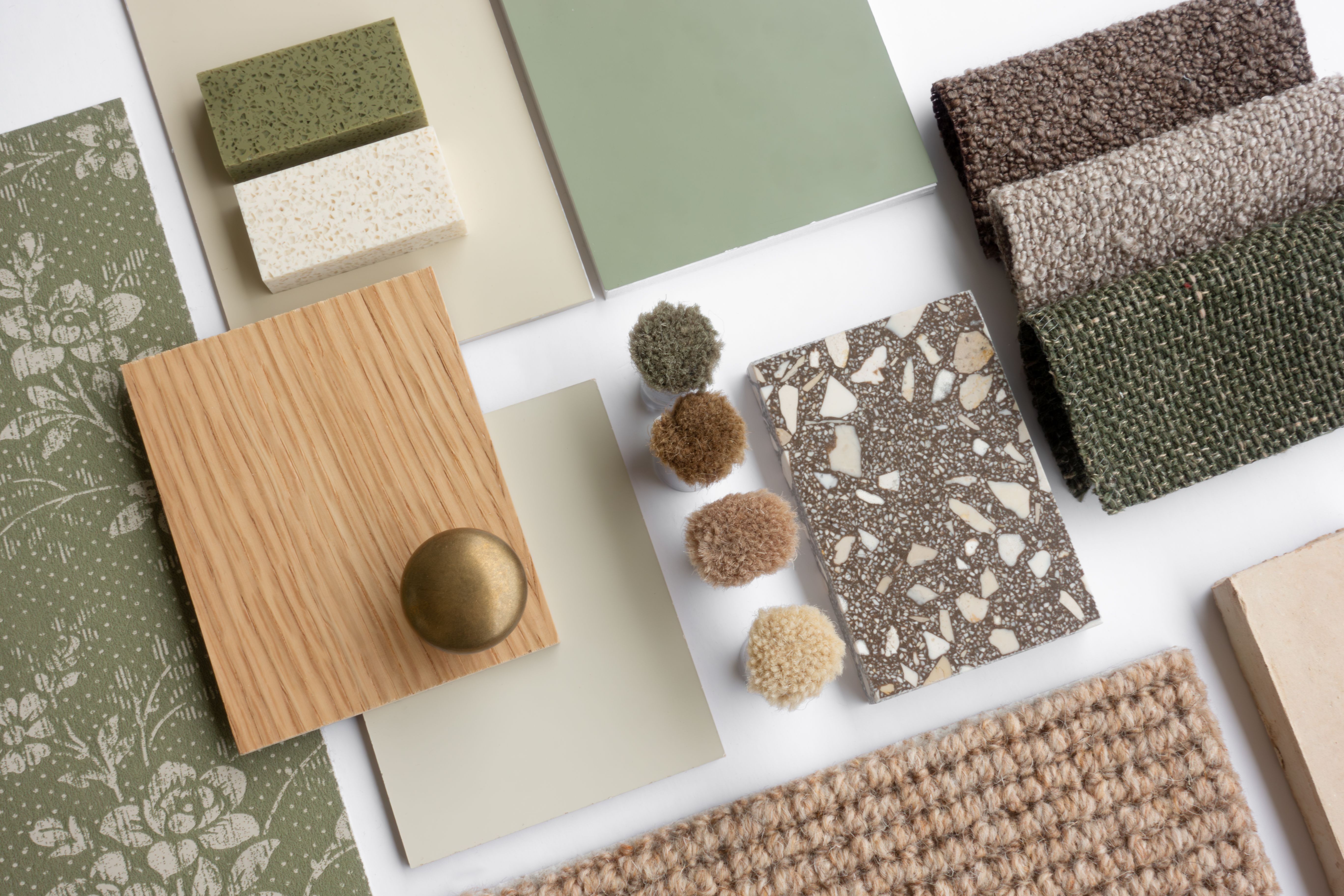
One of the first steps in designing an eco-friendly home is selecting sustainable materials. This includes using locally sourced materials, which reduces the carbon footprint and supports the local economy. Bamboo, reclaimed wood, and natural stone are popular choices due to their durability and minimal environmental impact.
Additionally, incorporating recycled materials can significantly reduce waste. Recycled steel, glass, and plastic can be creatively used in construction and design, adding a unique touch to the home while promoting sustainability.
Maximizing Energy Efficiency
Energy efficiency is a crucial aspect of eco-friendly home design. Implementing solar panels is an excellent way to harness renewable energy and reduce reliance on non-renewable sources. In Chennai, with its abundant sunshine, solar panels can significantly cut down electricity costs.

Moreover, designing homes with proper insulation and ventilation can greatly improve energy efficiency. Using energy-efficient appliances and LED lighting further contributes to reducing the overall energy consumption of the household.
Water Conservation Techniques
Water conservation is another critical consideration in sustainable home design. Installing rainwater harvesting systems allows homeowners to collect and store rainwater for various uses, reducing dependency on municipal water supplies.
Low-flow fixtures and dual-flush toilets are also effective in minimizing water usage without sacrificing functionality. These additions not only conserve water but also lead to significant savings on water bills.

Creating Green Spaces
Incorporating green spaces within and around the home enhances the overall appeal and promotes a healthier living environment. Vertical gardens and rooftop gardens are excellent options for urban settings, providing greenery without taking up much space.
These green spaces improve air quality and provide a natural habitat for local flora and fauna. Additionally, they offer a serene environment, contributing to the mental well-being of the residents.
The Role of Technology
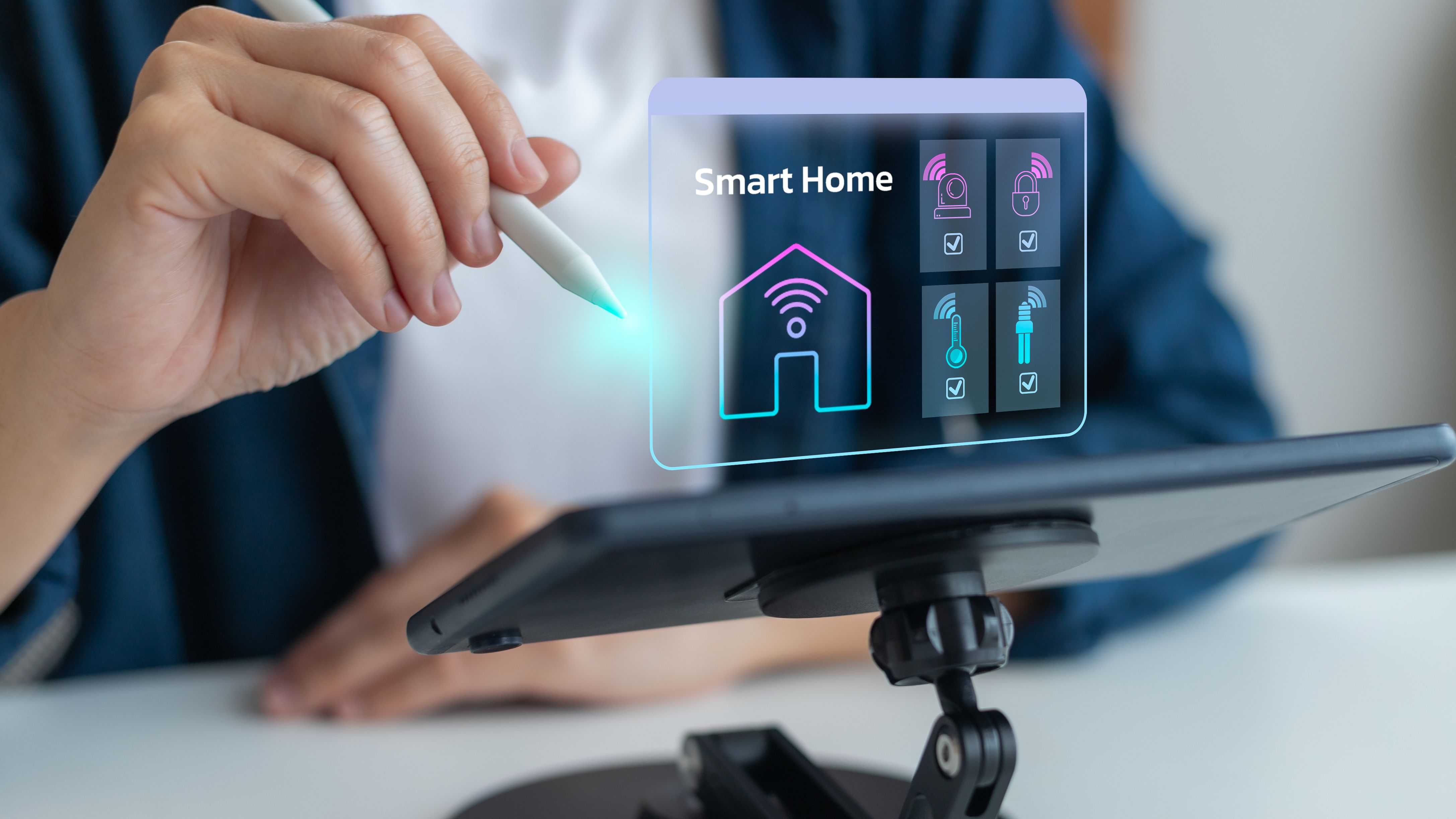
Technology plays a pivotal role in designing eco-friendly homes. Smart home systems that monitor and control energy usage can lead to more efficient management of resources. Automated lighting, smart thermostats, and energy monitoring systems are becoming integral to sustainable home design.
By leveraging technology, homeowners can make informed decisions that align with their sustainability goals, ultimately leading to a more eco-conscious lifestyle.
In conclusion, designing eco-friendly homes in Chennai involves a thoughtful integration of sustainable materials, energy-efficient solutions, water conservation techniques, and technology. By embracing these principles, homeowners can contribute to a greener future while enjoying a comfortable and cost-effective living environment.