
Eco-Friendly Home Construction: Sustainable Practices in Tamil Nadu


Introduction to Eco-Friendly Home Construction
In recent years, the concept of eco-friendly home construction has gained significant traction in Tamil Nadu. As environmental concerns grow, more homeowners and builders seek sustainable practices to minimize their ecological footprint. This trend not only benefits the environment but also enhances the quality of life for residents.
Understanding Sustainable Materials
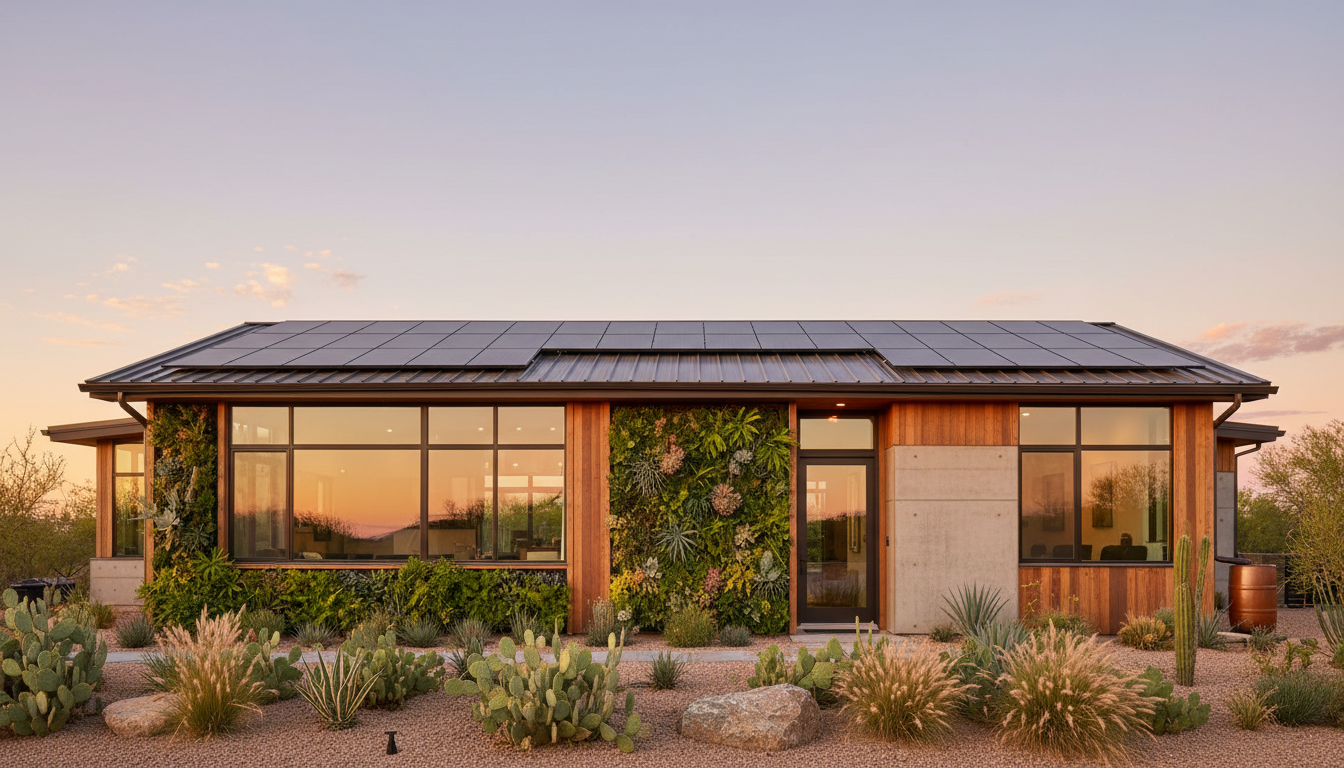
One of the most crucial aspects of building an eco-friendly home is the selection of sustainable materials. In Tamil Nadu, materials like bamboo, reclaimed wood, and locally sourced stone are becoming popular choices. These materials are not only durable but also reduce the carbon footprint associated with transportation.
Additionally, using recycled materials for construction can significantly lower waste. For instance, recycled steel and glass can be incorporated into modern designs, providing both aesthetic appeal and sustainability.
Energy Efficiency and Renewable Resources
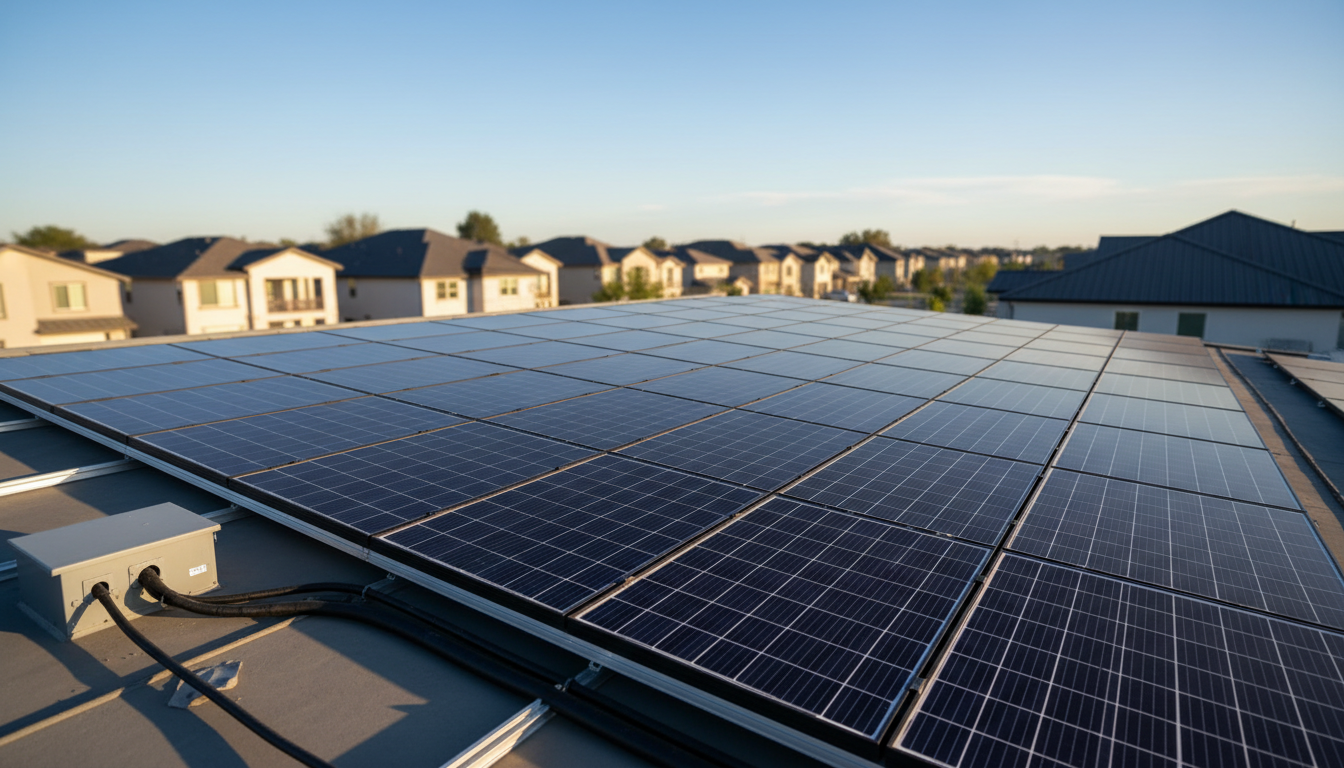
Energy efficiency is a cornerstone of sustainable home construction. In Tamil Nadu, implementing solar panels is a common practice, harnessing abundant sunlight to power homes. This not only reduces reliance on non-renewable energy sources but also offers long-term cost savings for homeowners.
Moreover, integrating energy-efficient appliances and lighting can further reduce energy consumption. Homes designed with natural ventilation and insulation techniques can maintain comfortable temperatures without excessive energy use.
Water Conservation Techniques
Water conservation is another critical component of eco-friendly construction in Tamil Nadu. Rainwater harvesting systems are widely adopted, collecting rainwater for household use and reducing dependency on municipal water supplies. Additionally, using low-flow faucets and fixtures can significantly cut down on water usage.
Greywater recycling systems are also gaining popularity, allowing for the reuse of water from sinks and showers for gardening and irrigation purposes. These practices not only conserve water but also promote responsible usage.
Innovative Design and Architecture
Eco-friendly homes in Tamil Nadu often feature innovative design elements that blend traditional and modern architecture. Incorporating passive solar design principles, such as strategically positioned windows and shading, enhances natural lighting and temperature regulation.
Green roofs and vertical gardens are other popular features, providing insulation and reducing urban heat. These elements also contribute to improving air quality and biodiversity in urban areas.
Benefits of Sustainable Living
Embracing eco-friendly home construction offers numerous benefits. Homeowners enjoy reduced utility bills, healthier living environments, and increased property value. Moreover, sustainable practices contribute to preserving Tamil Nadu’s rich natural resources for future generations.
As awareness grows, more communities are coming together to support sustainable initiatives. This collective effort is essential for fostering a culture of environmental responsibility and innovation.
Conclusion
Eco-friendly home construction in Tamil Nadu represents a positive shift towards sustainable living. By adopting these practices, builders and homeowners can play a vital role in protecting the environment while enjoying modern comforts. The future of construction is undoubtedly green, and Tamil Nadu is leading the way.