
Eco-Friendly Construction Practices for Sustainable Living


Understanding Eco-Friendly Construction
Eco-friendly construction practices are essential for promoting sustainable living. These methods reduce the negative impact on the environment and promote a healthier lifestyle. By incorporating sustainable materials and energy-efficient systems, eco-friendly construction can lead to significant long-term benefits.
One of the core principles of eco-friendly construction is the use of sustainable materials. These materials are typically sourced from renewable resources and have a minimal environmental footprint. Examples include bamboo, recycled steel, and reclaimed wood.

Energy Efficiency in Buildings
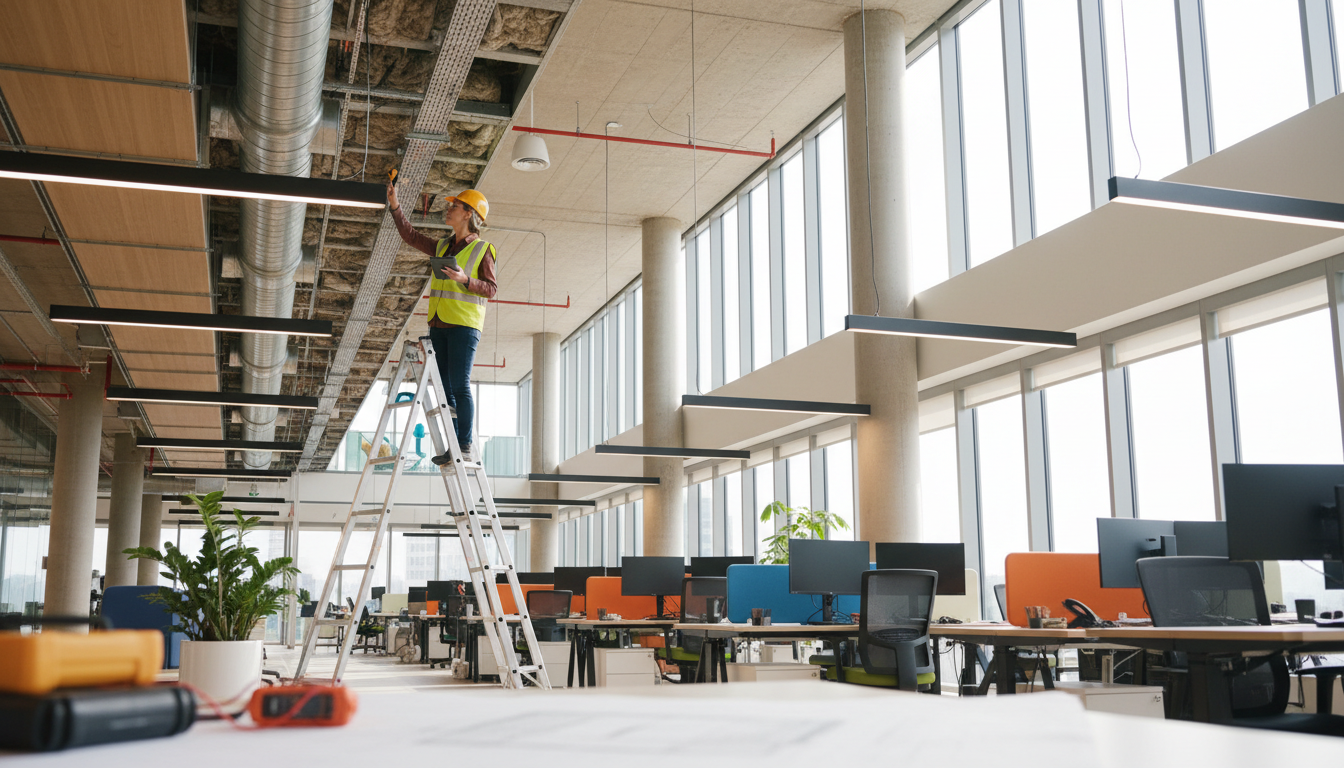
Energy efficiency is a crucial aspect of sustainable construction. Incorporating technologies such as solar panels, energy-efficient windows, and proper insulation can greatly reduce energy consumption. These systems not only decrease utility bills but also reduce greenhouse gas emissions.
Moreover, smart building technologies can further enhance energy efficiency. Systems that automatically adjust lighting, heating, and cooling based on occupancy and weather conditions can lead to significant energy savings.
Water Conservation Techniques
Water conservation is another important factor in eco-friendly construction. Implementing rainwater harvesting systems and using low-flow fixtures can significantly reduce water usage. These practices help preserve this vital resource while also lowering water bills.
Additionally, landscaping with native plants that require minimal irrigation can further enhance water conservation efforts. This approach not only saves water but also supports local biodiversity.

Waste Reduction and Recycling
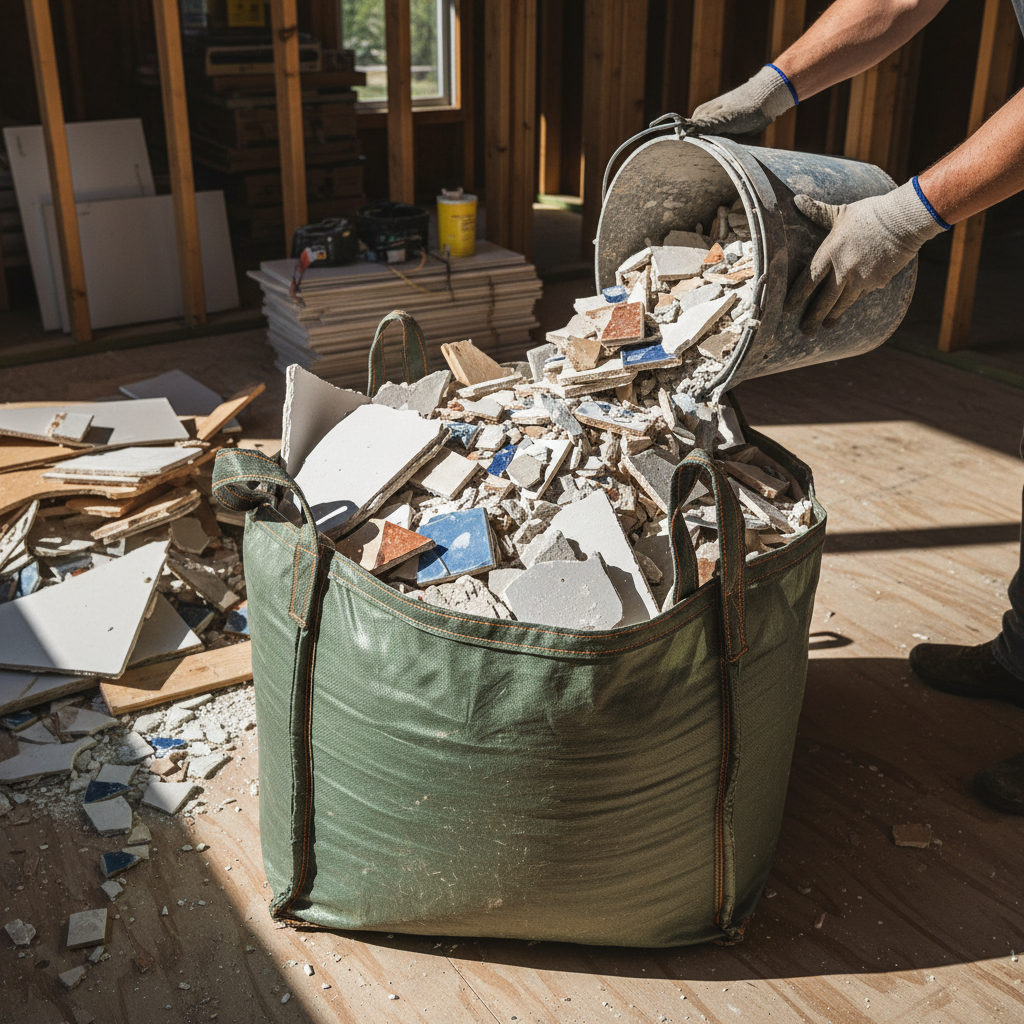
Reducing construction waste is a fundamental component of eco-friendly building practices. By recycling materials and minimizing waste production, builders can significantly decrease the environmental impact of construction projects.
Many construction companies are now adopting practices like on-site recycling and using prefabricated components to minimize waste. These strategies not only benefit the environment but also reduce construction costs.
Benefits of Sustainable Living
Embracing eco-friendly construction practices offers numerous benefits. Beyond environmental advantages, sustainable buildings often provide healthier indoor environments due to improved air quality and natural lighting. This contributes to the well-being and productivity of occupants.
Furthermore, homes and buildings constructed with sustainable practices tend to have higher resale values. As more people become environmentally conscious, the demand for green buildings continues to rise.

Conclusion
Adopting eco-friendly construction practices is a vital step towards achieving sustainable living. By focusing on energy efficiency, water conservation, waste reduction, and the use of sustainable materials, we can create a more sustainable future. These practices not only protect the environment but also offer economic and health benefits for individuals and communities.