
Comparing Prefab vs. Traditional Construction Methods


Understanding Prefab and Traditional Construction
When planning a construction project, one of the key decisions is choosing between prefab and traditional construction methods. Both have unique advantages and challenges, making it crucial to understand what each offers. This comparison will help you make an informed decision based on your specific needs.
What is Prefab Construction?
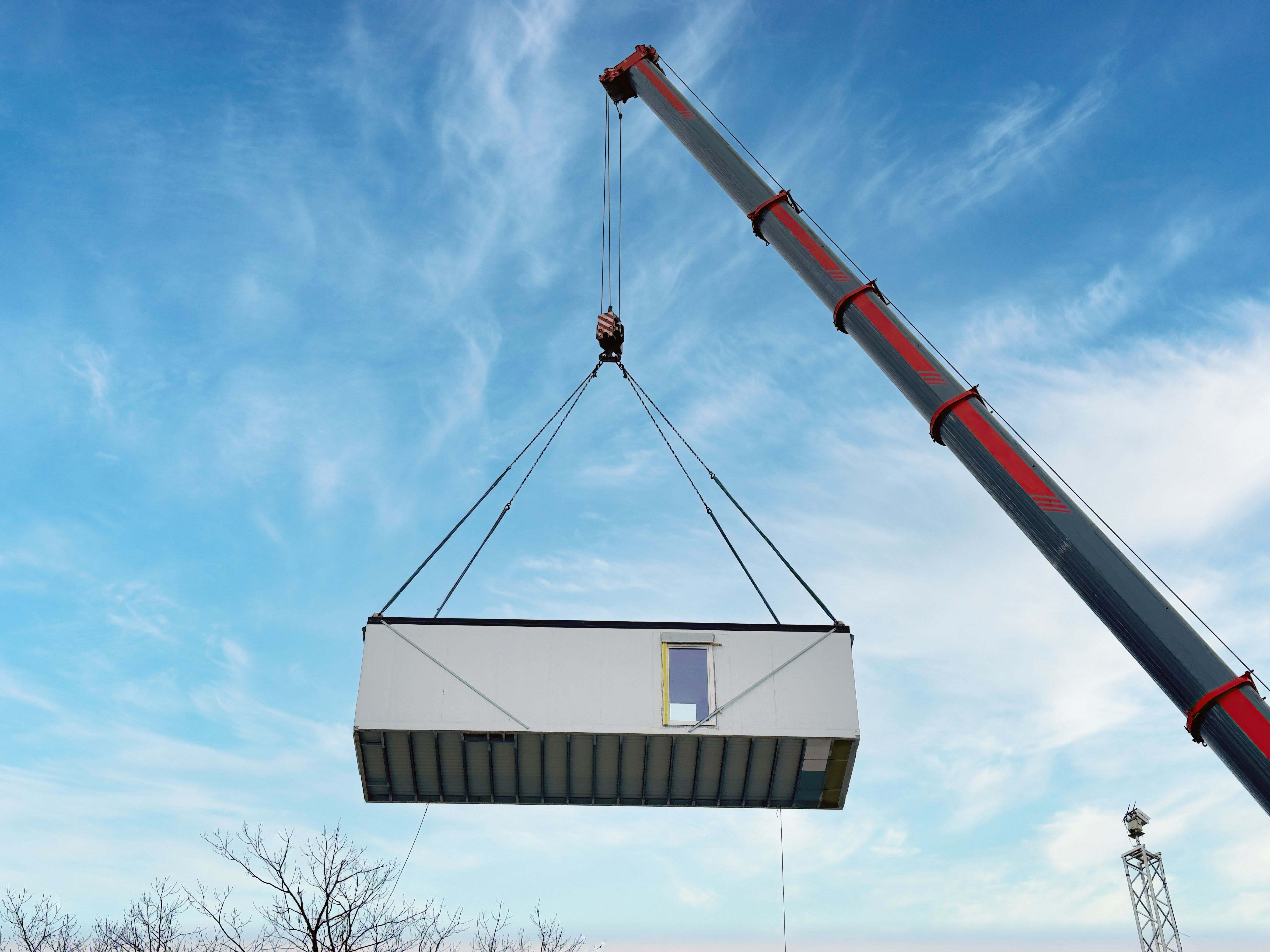
Prefab construction involves assembling parts of a building in a factory setting before transporting them to the final site. This method is known for its efficiency and speed. Since components are manufactured in a controlled environment, there is less exposure to weather-related delays, ensuring a quicker completion time.
Moreover, prefab construction often leads to less waste and can be more sustainable. By optimizing the use of materials, the process minimizes excess and promotes environmental responsibility. This method is ideal for projects with tight deadlines and budgets.
Traditional Construction Explained
Traditional construction is the conventional method where all building activities occur on-site. This approach allows for more customization and flexibility, accommodating unique architectural designs and complex structures. It is often preferred for projects that require a high degree of personalization.
However, traditional construction can be more susceptible to weather delays and may require a longer timeline. The on-site nature also means managing a larger workforce and dealing with logistics like material deliveries and site management.
Cost Considerations
Cost is a significant factor in choosing between these methods. Prefab construction can be more cost-effective due to reduced labor time and material waste. Additionally, the faster build time can result in lower overall project costs.
In contrast, traditional construction might incur higher labor and material costs, especially if the project experiences delays. However, the ability to customize extensively can justify the expense for projects seeking unique designs.
Quality and Durability
Both methods offer high-quality outcomes, but the factory-controlled environment of prefab construction can lead to more consistent quality. Components are manufactured with precision and are less likely to encounter defects.
Traditional construction, on the other hand, relies heavily on skilled labor on-site. While this can lead to exceptional craftsmanship, it also introduces variability based on workforce expertise and site conditions.
Final Thoughts
The decision between prefab and traditional construction ultimately depends on your project's specific requirements. Consider factors like budget, timeline, customization needs, and environmental impact when making your choice. Each method brings its own set of benefits that can align with different project goals.
By weighing these considerations, you can select the construction method that best meets your needs, ensuring a successful and efficient build.