
Building on a Budget: Cost-Effective Construction Strategies


Understanding the Basics of Budget-Friendly Construction
Building a home or commercial space on a budget doesn't mean sacrificing quality or aesthetics. By adopting cost-effective strategies, it's possible to create a beautiful and functional space without overspending. The key is to plan thoroughly and make informed decisions throughout the process.
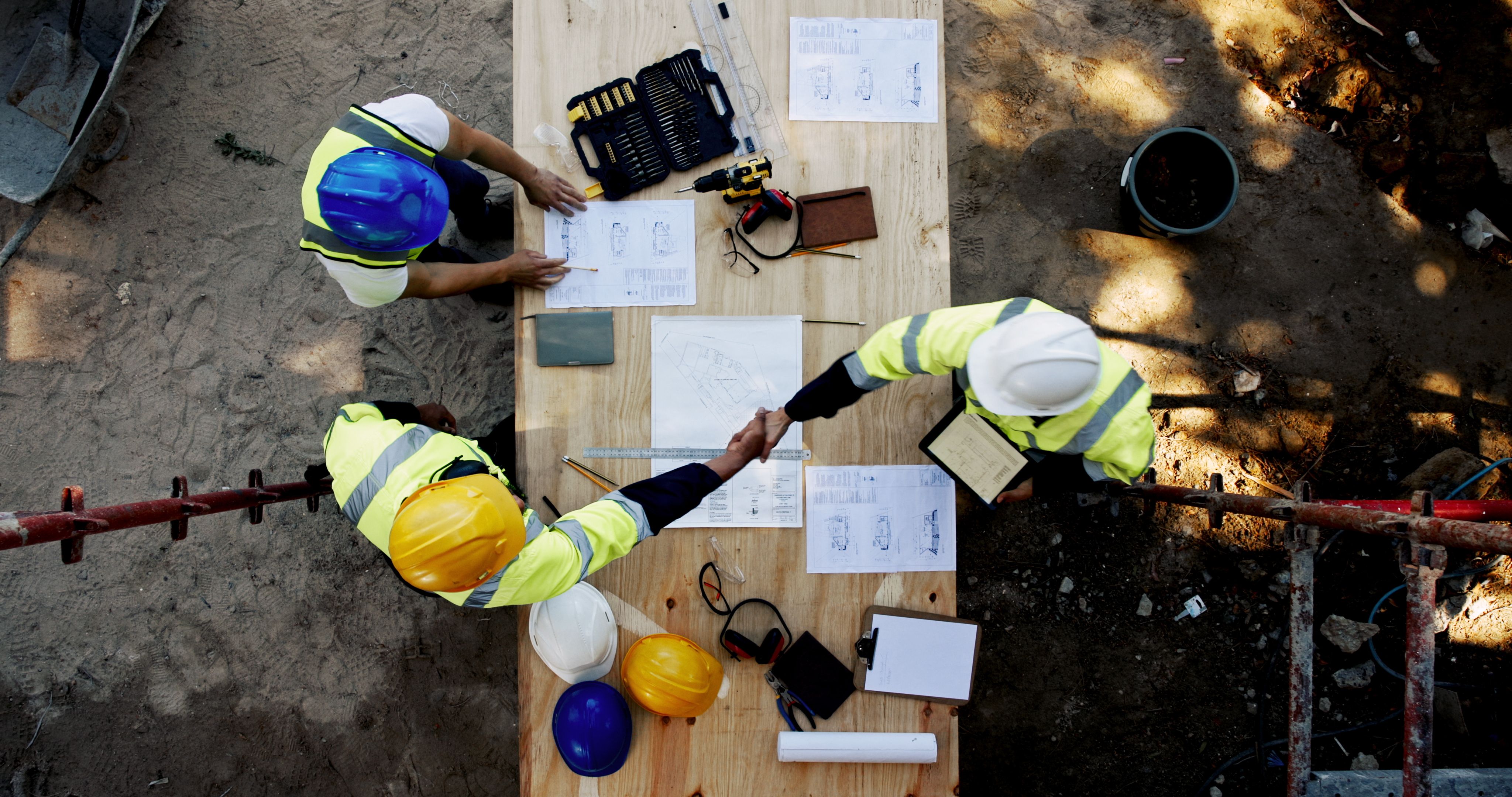
Smart Planning and Design
Before laying the first brick, invest time in meticulous planning. Engage with architects or designers who specialize in cost-effective solutions. Opt for a simple design that minimizes complex features. Simplicity in design often leads to significant savings in materials and labor.
Consider the orientation of the building to take advantage of natural light and ventilation. This can reduce energy costs in the long run, making the building more sustainable and budget-friendly.
Choosing Affordable Materials
Material selection plays a crucial role in cost-effective construction. Look for materials that offer durability and affordability. Recycled or reclaimed materials can provide unique aesthetics while being kind to the budget. For instance, reclaimed wood or recycled metal can add character without the hefty price tag.

Bulk purchasing can also lead to discounts, so consider buying materials in larger quantities if possible. Collaborating with local suppliers might help in securing better rates and reducing transportation costs.
Efficient Project Management
Effective project management is essential to keep construction on track and within budget. Set a realistic timeline and ensure open communication between all parties involved. Regular check-ins can help identify potential issues early, preventing costly delays.
Utilize technology, such as project management software, to monitor progress and budget. This can provide real-time updates and keep everyone accountable.

DIY and In-House Solutions
For those willing to get hands-on, DIY solutions can significantly reduce labor costs. Simple tasks like painting, landscaping, or assembling furniture can be done without professional help. However, ensure you have the necessary skills and tools to avoid costly mistakes.
Employing in-house expertise for certain tasks can also lead to savings. If you have skilled workers within your team, leverage their abilities for tasks like electrical work or plumbing.
Energy Efficiency and Long-Term Savings
Investing in energy-efficient solutions might have a higher initial cost, but the long-term savings are worth considering. Utilize energy-efficient appliances, LED lighting, and proper insulation to reduce utility bills over time.
Consider incorporating renewable energy sources, such as solar panels, which can provide financial benefits through energy savings and potential tax incentives.