
Building a Sustainable Home: Eco-Friendly Construction Tips


Understanding Sustainable Home Building
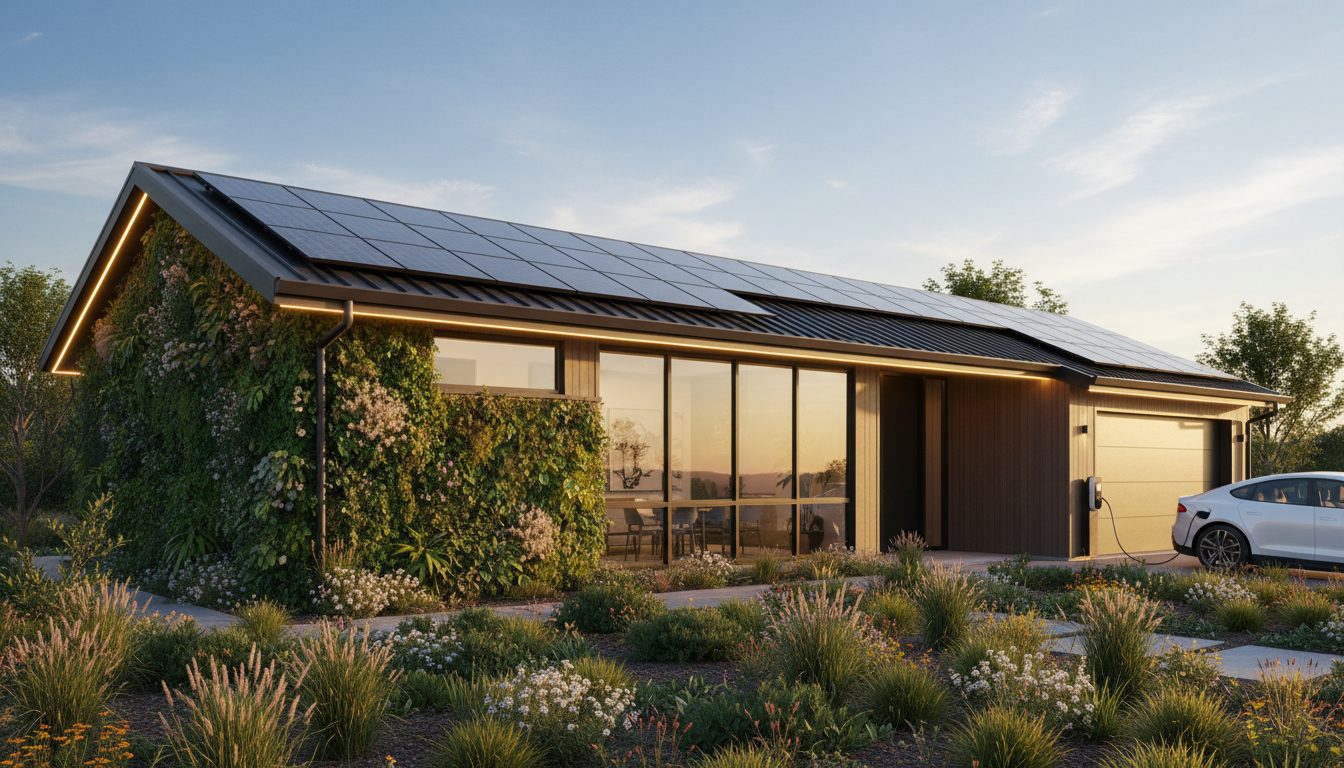
Building a sustainable home is more than just a trend; it’s a crucial step towards reducing environmental impact. By incorporating eco-friendly practices, homeowners can enjoy energy savings and a healthier living environment. Sustainable home construction focuses on efficient use of resources and minimizing waste, benefiting both the planet and your pocket.
Choosing Eco-Friendly Materials
One of the first steps in sustainable construction is selecting the right materials. Opt for renewable resources like bamboo or reclaimed wood for flooring and furniture. These materials not only reduce deforestation but also add a unique aesthetic to your home. Additionally, consider recycled steel or concrete, which require less energy to produce compared to traditional options.
When it comes to insulation, choose materials with high thermal resistance, such as cellulose or wool. These options not only keep your home warm in winter and cool in summer but also have a lower environmental impact compared to conventional insulation materials.
Energy Efficiency and Renewable Energy
Incorporating energy-efficient systems is a cornerstone of sustainable home building. Install LED lighting and energy-efficient appliances to reduce electricity consumption. Additionally, consider integrating smart home technology to monitor and control energy usage more effectively.
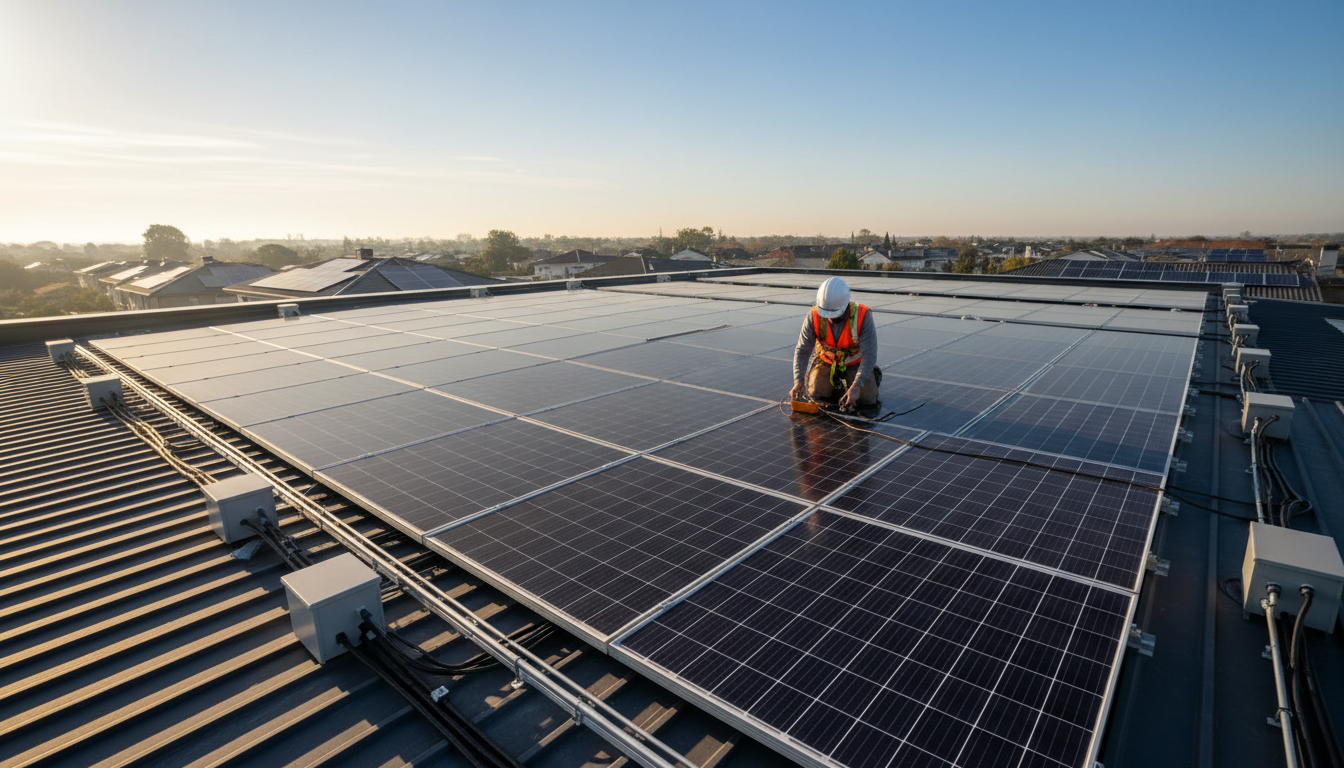
For a more substantial impact, invest in renewable energy sources like solar panels or wind turbines. These systems can significantly reduce your reliance on grid electricity, leading to long-term savings and a lower carbon footprint.
Water Conservation Techniques
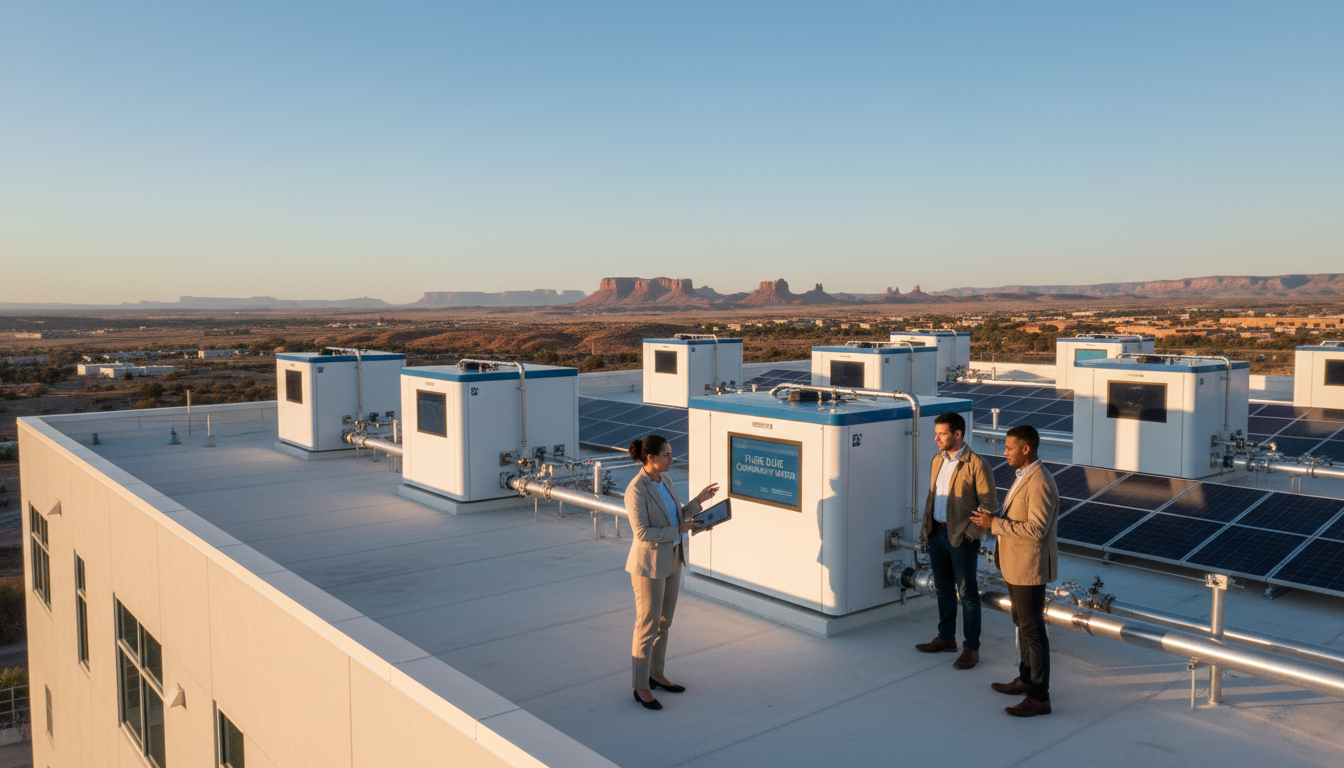
Water conservation is another essential aspect of building a sustainable home. Implement low-flow fixtures in showers, faucets, and toilets to reduce water usage. Rainwater harvesting systems can be installed to collect and store rainwater for irrigation and other non-potable uses, further decreasing your environmental impact.
Designing for Natural Ventilation and Lighting
Maximizing natural light and ventilation is a simple yet effective way to enhance a home’s sustainability. Properly placed windows and skylights can reduce the need for artificial lighting during the day. Moreover, designing your home to take advantage of natural cross-ventilation can improve air quality and reduce the need for air conditioning.
Landscaping can also play a role in your home's energy efficiency. Planting trees strategically around your home can provide shade during the summer and allow sunlight in during the winter, aiding in temperature regulation.
Consider the Site Location and Orientation
The location and orientation of your home can significantly affect its energy efficiency. Building in harmony with the local climate and landscape allows for natural energy savings. For instance, positioning your home to take advantage of passive solar heating can reduce heating costs during colder months.
By considering these eco-friendly construction tips, you can build a home that not only meets your needs but also contributes positively to the environment. Sustainable home building is a rewarding endeavor that benefits both current and future generations.